

LOCK repair
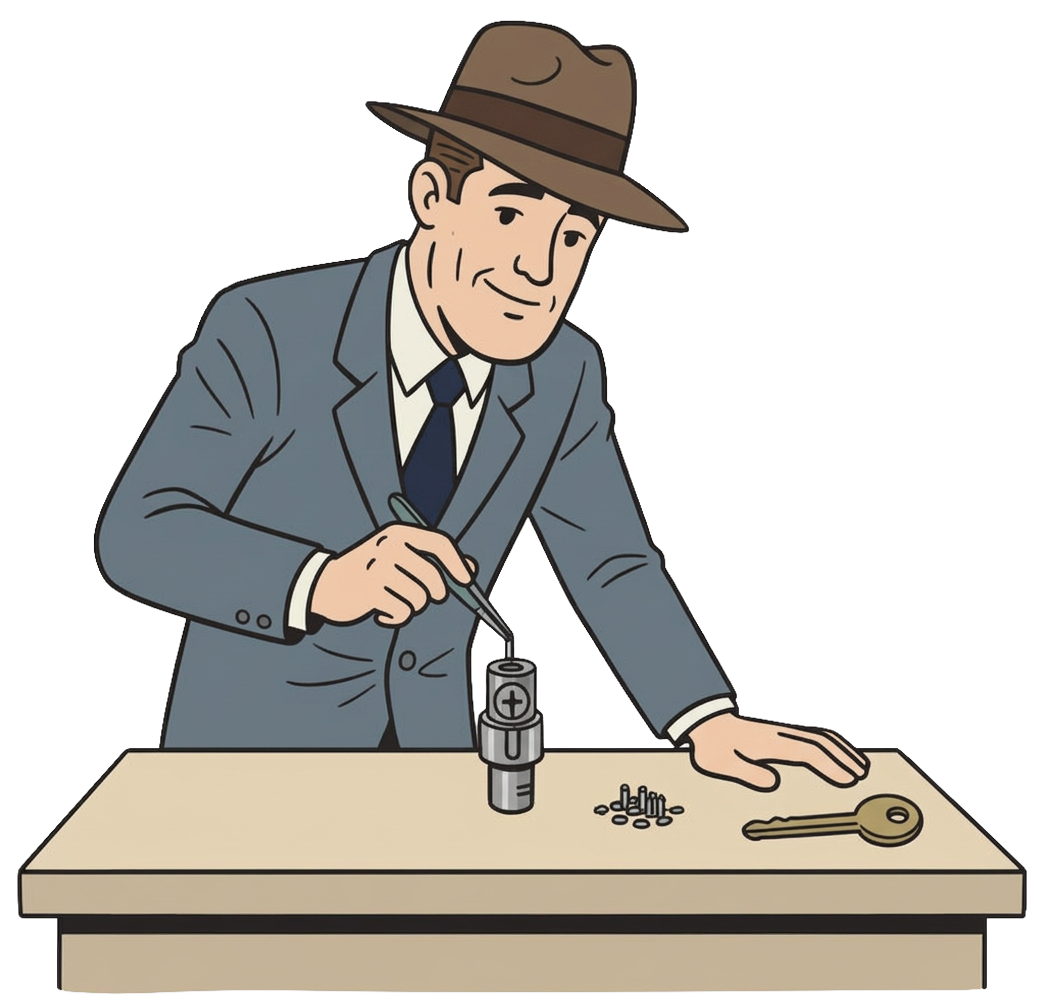
We repair vehicle lock problems using professional tools and service methods designed to restore proper operation without unnecessary damage or parts replacement. In many cases, the fix may involve servicing a worn lock cylinder, correcting internal lock issues, or replacing failed components so the key and lock work smoothly again.
WHEN THIS SERVICE IS NEEDED
Key will not turn in the door lock: A worn key, damaged lock cylinder, or internal binding can keep the lock from turning normally.
Lock feels stiff or jammed: If the key has to be forced, wiggled, or retried, the lock may be wearing out and should be repaired before it fails completely.
Door lock is damaged or not responding: A lock cylinder may stop working after heavy wear, attempted theft, impact damage, or internal part failure.
Key works poorly or gets stuck: If the key enters roughly, sticks, or does not release cleanly, the lock may need service or rebuilding
DO NOT FORCE THE KEY OR SPRAY RANDOM LUBRICANTS INTO THE IGNITION.
Those DIY attempts commonly jam the cylinder further, break the key, or make the ignition harder to repair cleanly.
HOW PROFESSIONAL IGNITION REPAIR WORKS
1. INSPECT THE LOCK
First we check whether the problem is caused by key wear, a jammed cylinder, internal ignition damage, or another related issue before choosing the repair method.
2. TEST KEY AND LOCK FUNCTION
Locksmiths examine how the key enters, turns, and releases so they can determine whether repair, rekeying, or replacement is the correct next step.
3. REPAIR OR REPLACE THE FAULTY PARTS
The goal is to restore smooth lock operation with the least invasive fix, which may mean servicing the cylinder or replacing damaged lock components if repair is no longer practical.
4. TEST THE REPAIRED LOCK
Once the lock is working properly, we confirm the key turns smoothly, the lock secures correctly, and normal vehicle entry is restored.
Faq
-
In many cases, yes. A locksmith can often repair or service the lock cylinder and related parts without full replacement, depending on the wear or damage involved.
-
After the repair, the usual next step is testing the key through normal lock and unlock operation and confirming the door works correctly again.